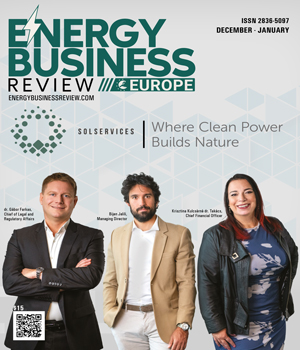


SolServices’ portfolio reflects both scale and intention: over 1000 MW of solar capacity developed, 206 MWp in operation, 88 MWp under construction, and similar quantity progressing through the development pipeline, accompanied by emerging wind and battery-storage projects. Yet the company’s defining contribution lies not only in megawatts delivered, but in the model it has established for nature-inclusive solar development — a model increasingly relevant as Europe reshapes its environmental and energy policies.
At Lumen Park Szolnok, a 138-megawatt flagship project built on land previously shaped by intensive agriculture, this philosophy is visible in practice. The site generates significant clean power for the national grid while also demonstrating measurable improvements in vegetation cover, plant diversity, and habitat structure. These positive ecological trends arise from a development process that integrates ecological understanding from the earliest concept through long-term operation.
Grounding Solar in Ecological Reality
SolServices bases its work on a simple insight: land is not an empty surface for infrastructure — it is a living system that responds to how it is treated. To give structure to this perspective, the company created the Next Generation Solar Park Guide, Hungary’s first integrated ecological planning framework for utility-scale solar. Since its release, the guide has been downloaded by specialists across Europe and overseas, reflecting widespread interest in a more land-responsive approach to renewable energy.
Rather than offering rigid prescriptions, the guide outlines a coherent method for embedding ecological considerations into each stage of development. Early land assessments examine soil composition, hydrological behavior, and vegetation patterns to identify where natural regeneration is possible and where targeted intervention can support long-term resilience. Areas with high regenerative capacity are preserved, while tailored seed mixes and habitat elements help diversify groundcover across the site. These decisions foster stable landscape conditions and contribute to the long-term reliability of the asset.
Where Ecological Recovery Becomes Measurable
The ecological monitoring program at Lumen Park Szolnok captures how a solar park can evolve into a more resilient landscape. Vegetation surveys show expanding plant cover and increasing species diversity, while habitat structure strengthens year by year. These trends indicate that the land — once depleted by long- t e r m agricultural use — is regaining ecological function.
Monitoring continues throughout the park’s operational life, offering a transparent record of how the landscape responds to nature-inclusive management. This evidence benefits investors, supports ESG reporting obligations, and provides communities and regulators with clear insight into how the site’s condition improves over time. It also feeds directly into SolServices’ future designs, creating a continuous learning process where ecological results drive technical evolution.
Chief of Legal and Regulatory Affairs dr. Gábor Farkas summarizes the philosophy behind this work:
“A solar park should do more than produce electricity. It should leave the land richer, the community stronger, and the future more secure than when we began.”
Why Ecological Planning Matters
The advantages of SolServices’ approach extend well beyond environmental considerations. A site planned with ecological insight tends to develop into a more balanced and resilient landscape, which supports steadier long-term land conditions around the photovoltaic system. Consistent vegetation cover helps reduce extreme surface temperature fluctuations, supports microclimate stability, and lowers the likelihood of erosion or surface disturbance that can complicate maintenance activities.
Equally important are the social and regulatory dimensions. As expectations around ESG performance rise and the EU introduces more stringent biodiversity- and land-use reporting requirements, projects capable of demonstrating measurable ecological progress stand on stronger footing. Nature-inclusive planning provides a transparent narrative for investors, municipalities, and regulators — showing that energy production and ecological responsibility can advance together rather than in tension.
SolServices also views its solar parks as part of the communities that host them. At Lumen Park Szolnok, the company established an educational trail that explains how renewable energy, land recovery, and biodiversity interact on a real site. Nearly one thousand students have visited so far, including all kindergarten groups from the nearby town, gaining early exposure to environmental awareness and the role of solar power in climate resilience.
This combination of ecological sensitivity, transparent monitoring, and community engagement helps build trust around renewable development. It demonstrates that a solar park is not merely a technical installation, but a landscape that can evolve positively — supporting local identity, environment.
An Evolving Model for Stringer Solar Parks
As one of Hungary’s leading developers — and one of its significant clean-electricity producers — SolServices continues to refine and expand its nature-inclusive approach across a growing portfolio of utility-scale renewable projects. The company’s Lumen Parks, from the earliest sites to the newest nearing completion, form a connected landscape of experience: each project demonstrating how ecological insight, responsible land management, and long-term monitoring can strengthen both the environment and the energy system it supports.
Rather than viewing each site as a standalone asset, SolServices treats its portfolio as a learning ecosystem. Experience from operational parks directly informs the planning of new developments, allowing for more tailored vegetation strategies, habitat elements adapted to local conditions, and design choices that work with — rather than against — natural land processes. This framework creates a virtuous cycle: ecological results shape future projects, and future projects deepen the company’s technical and environmental practice.
As Europe accelerates its renewable transition and ESG expectations intensify, demand for land-responsive solar development is growing rapidly. With a proven track record across multiple operational Lumen Parks and a methodology rooted in ecological understanding, SolServices is well positioned to influence the next era of solar infrastructure — one where clean electricity production, biodiversity recovery, and community benefit advance together.
Headquarters :
. ManagementThank you for Subscribing to Energy Business Review Weekly Brief
I agree We use cookies on this website to enhance your user experience. By clicking any link on this page you are giving your consent for us to set cookies. More info

However, if you would like to share the information in this article, you may use the link below: